Cinema was once designed for immersion.
The architecture of the theatre enforced it: darkness, silence, a fixed screen, and a collective audience bound to a single visual event. The film unfolded uninterrupted. Attention was assumed. Distraction was minimized by design.
Today, that assumption no longer holds.
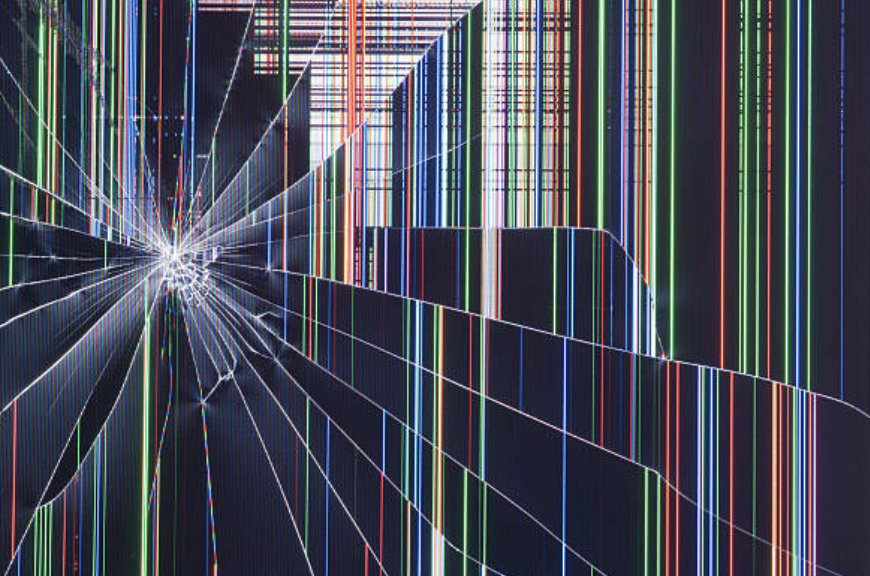
The contemporary viewer rarely encounters cinema in isolation. Notifications pulse. Second screens glow. Scenes are paused, rewound, fast-forwarded, or abandoned mid-sequence. The film competes not only with other films, but with every available stream of digital stimulation.
The question is no longer whether attention has shortened.
It is whether cinema can survive divided attention.
The Myth of the “Short Attention Span”
Popular discourse frequently claims that audiences—particularly younger viewers—have lost the ability to focus. Yet the issue is not incapacity. It is competition.
Attention has become the most contested resource in digital culture. Social platforms, messaging applications, streaming services, and news feeds operate simultaneously within the same device. Cinema is now one window among many.
The shift from theatrical viewing to personal screens altered the cognitive environment of film consumption. What was once immersive by default now requires intention.
The viewer must choose to concentrate.
Multitasking as Norm
Studies in media behavior suggest that multitasking has become standard practice. Viewers scroll social feeds during slower scenes. They search for actor biographies mid-film. They text reactions in real time.
This does not necessarily diminish engagement. It transforms it.
The film becomes layered within a broader digital environment. Narrative attention intersects with social commentary, factual verification, and meme production. The cinematic event extends beyond the frame, but its exclusivity dissolves.
Cinema no longer commands undivided focus. It negotiates for it.
Editing for Interruption
Filmmakers are increasingly aware of this altered attention landscape. Pacing shifts. Visual contrast intensifies. Opening sequences accelerate. Hooks appear earlier. Dialogue sharpens.
Streaming platforms monitor pause rates and drop-off timestamps. Data reveals where viewers disengage. Production adapts accordingly.
This is not necessarily artistic compromise. It is environmental adaptation. Every technological shift has reshaped cinematic form—from the arrival of sound to the dominance of television. The fragmentation of attention introduces another variable.
The screen must compete.
The Return of the Theatrical Space
Paradoxically, the theatre has regained symbolic importance precisely because it enforces focus. In a world of constant interruption, the cinema hall offers rare containment. The act of surrendering devices becomes part of the ritual.
Large-scale releases still generate communal immersion that streaming cannot replicate. The theatrical experience becomes less routine and more event-based.
Immersion becomes premium.
Short-Form Culture and Cinematic Rhythm
Digital platforms have normalized rapid consumption. Short-form video formats train viewers to expect immediate payoff. Narrative compression becomes familiar.
This does not eliminate long-form storytelling, but it alters audience expectations. Slower pacing requires justification. Ambiguity must reward patience. Films that demand sustained attention risk being labeled inaccessible rather than complex.
The challenge for cinema lies in balancing depth with accessibility within this accelerated cultural tempo.
Fragmentation as Creative Opportunity
Yet fragmentation is not purely detrimental.
Divided attention fosters new modes of engagement. Scenes circulate independently as clips. Memorable moments become shareable units. Dialogue fragments transform into cultural shorthand. A single scene may achieve cultural permanence even if the full film does not.
Cinema now operates in fragments as well as wholes.
This fragmentation can amplify impact. It can also distort meaning. Context collapses when scenes detach from narrative structure. Interpretation shifts.
But cinema has always been reinterpreted across mediums—television edits, DVD extras, fan montages. The difference today is scale and speed.
The Cognitive Consequences
Attention research suggests that frequent interruption reshapes perception patterns. Rapid context switching can reduce deep processing but increase scanning efficiency. Viewers become skilled at absorbing visual information quickly while juggling stimuli.
Cinema must now engage viewers who are cognitively trained for acceleration.
This does not mean complexity disappears. It means complexity must compete within an environment of constant alternative input.
The film that survives fragmentation is one that anchors attention emotionally or aesthetically.
Intentional Viewing in a Distracted Age
Despite environmental pressure, many viewers still seek immersive experiences. Long-form series flourish. Three-hour films succeed. Directors known for deliberate pacing retain devoted audiences.
This suggests that fragmentation is not destiny. It is context.
Viewers can choose intentionality. They can silence devices. They can attend screenings. They can dedicate time. The difference is that immersion is no longer automatic.
It is chosen.
The Future of Attention and Cinema
As digital ecosystems expand, the struggle for attention will intensify. Augmented interfaces, wearable screens, and AI-driven notifications may further fragment focus. Cinema must navigate this terrain without surrendering its identity.
The death of the passive viewer did not end engagement. It multiplied it. The fragmentation of attention does not eliminate immersion; it complicates it.
Cinema survives not by demanding attention, but by earning it.
In the age of divided focus, the films that endure will be those that justify concentration—through narrative power, visual intensity, or emotional resonance strong enough to quiet the surrounding noise.
The screen no longer exists in darkness alone.
But it still has the capacity to command light.